

Industry Insights
2026 B.C. Conveyancing Outlook (Survey Report)
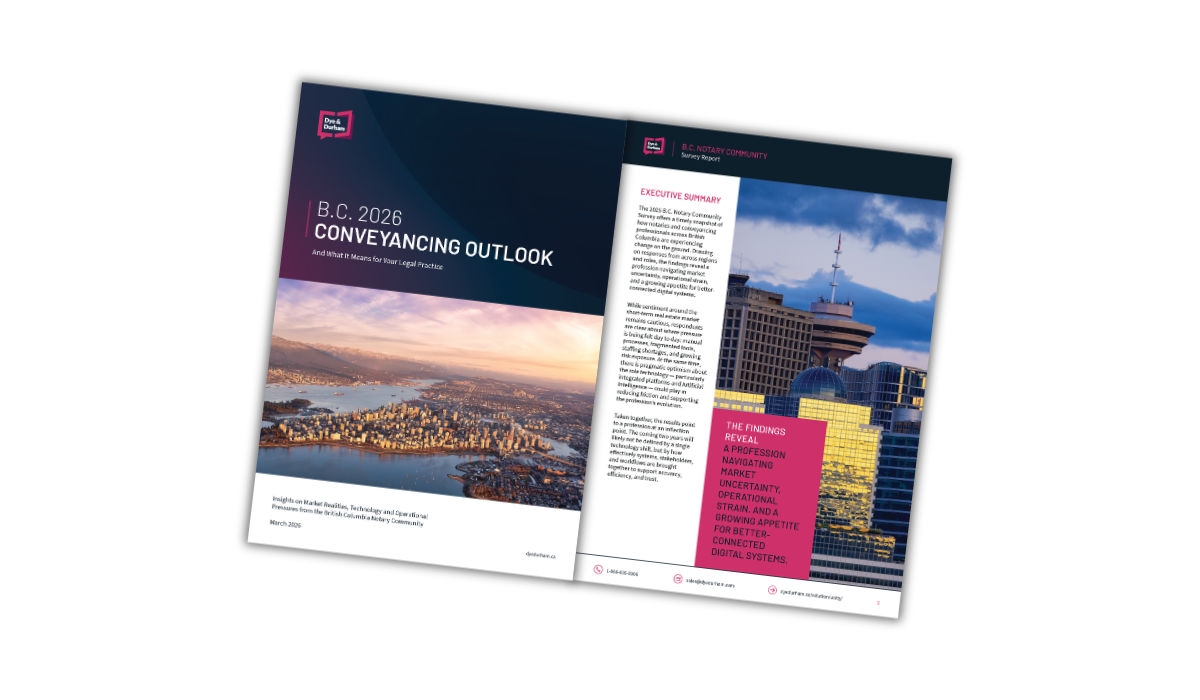
The 2026 B.C. Conveyancing Outlook gathers frontline perspectives from across the province to help you...
1 July 2026
Read moreInside the world of Customer Success with Natasha Malhotra.
When everything works, no one stops to ask why.
Processes run as expected. Questions are answered. Things move forward without friction. From the outside, it appears straightforward.
What’s less visible is the coordination behind it.
Customer Success sits at the centre of that experience - balancing conversations, internal priorities, and ongoing problem-solving to keep everything functioning as it should.
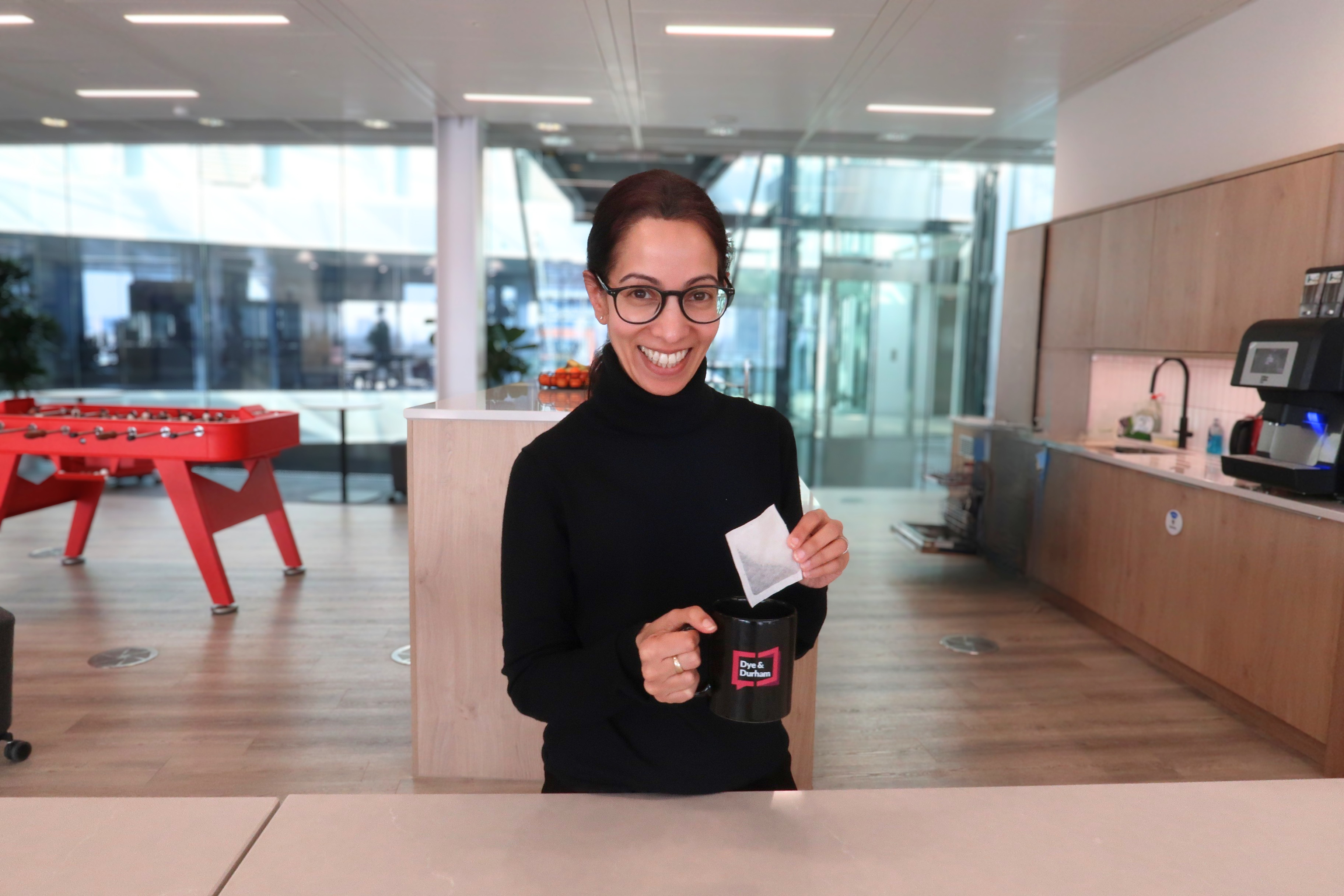
Natasha Malhotra, Manager of Customer Success UK, shares what that looks like in practice.
Tea always comes first. Then Microsoft Outlook to catch up on emails, which typically include overnight client queries, internal updates on ongoing cases, and follow-ups that need to be picked back up quickly.
Microsoft Teams follows shortly after, often with messages from colleagues across product, operations, and sales, flagging updates and questions that need her insights.
From there, the focus is on understanding what needs attention, reviewing priorities, and creating space to work through them effectively. In a role where multiple things are moving at once, that structure is essential.
“If it is not in the diary, there is every chance the day will run away from me,” Natasha explains. Time blocking plays a key role in keeping the day on track, allowing space for both planned work and unexpected demands.
Very quickly, the day moves into client conversations, internal updates, and the work needed to keep everything aligned.
As the day progresses, Natasha moves quickly between client interaction and internal coordination.
Customer Success is often seen as the main point of contact for clients, but much of the work happens behind the scenes, connecting teams around the client’s needs.
“A lot of the role is about joining dots,” Natasha says. “Balancing priorities and making sure the client experience still feels smooth, even when a lot is happening internally.”
Somewhere in between, there is usually an open notebook, a hot cup of tea, and, occasionally, an emergency chocolate bar.

Alongside day-to-day support, there is a constant focus on improvement. Some of that work is immediate: resolving an issue, responding to a question, helping a client move forward.
Some of it, however, is longer term: looking at how processes can be refined, where friction can be reduced, and how clients can get more value over time.
Immediate issues are dealt with first, particularly when they block a client’s ability to move forward. But not everything shows up as urgent. It often starts small. A query resolved quickly. Then the same question appears again, And again. What felt isolated begins to repeat, and that’s usually where the real work begins.
In those moments, the focus shifts from resolving the issue in front of you to understanding what is causing it, and how it can be improved long term.
The challenge is managing both at once. Knowing when to focus on what is in front of you, and when to step back and improve what sits behind it.

Somewhere in the middle of the day, a message comes through.
A process that was stuck is now moving. A client can continue. What felt complex earlier now feels straightforward.
These moments are often the result of multiple conversations happening in parallel, updates being shared across teams, and decisions aligning at the right time.
Staying communicative throughout is key, especially when priorities shift or timelines change, ensuring that both clients and internal teams remain aligned.
It is a small moment, but one that reflects a lot of work behind it. Not just one action, but a series of decisions, follow-ups, and coordination coming together at the right time.
For Natasha, those moments stand out. “When a cross-functional piece of work really comes together and you can see the difference it makes, that is always rewarding.”
The role does not operate in isolation.
Delivering a consistent experience depends on how effectively teams work together, particularly when different functions contribute to the same outcome.
That shared responsibility shapes how work is approached. It encourages openness, accountability, and a willingness to support one another when priorities shift.
“There is a genuine feeling that people want to help and make a difference,” Natasha says.
That environment makes it possible to maintain the standard clients expect, even as the work itself continues to evolve.
Customer Success is one of the most visible roles to clients. It is where conversations happen and relationships develop.
At the same time, much of what defines the role takes place outside of those interactions. It’s the coordination, the problem-solving, and the constant effort to keep everything aligned that allows the experience to remain consistent.
The result is something that appears simple but rarely is.
ABOUT THE INTERVIEWEE
Manager of Customer Success, at Dye & Durham UK
Natasha is a customer-focused growth leader with over 15 years of experience across enterprise sales, account management, and SaaS, including a background in fintech that brings valuable perspective to compliance and risk.
At Dye & Durham UK, she is building and leading the Customer Success function, implementing a proactive, structured approach to supporting law firms throughout their lifecycle.
Industry Insights
The 2026 B.C. Conveyancing Outlook gathers frontline perspectives from across the province to help you...
1 July 2026
Read more
Customer Stories
Patrick Flaherty, Corporate Paralegal at Preti Flaherty, shares how his firm transitioned from paper binders...
1 July 2026
Read more
Industry Insights
In the legal and financial sectors, certainty is the only currency that matters. Whether you are securing a...
1 July 2026
Read more